Top AI-Powered Customer Adoption Platforms for B2B SaaS Teams
AI adoption platforms fall into five distinct categories, each solving different problems.
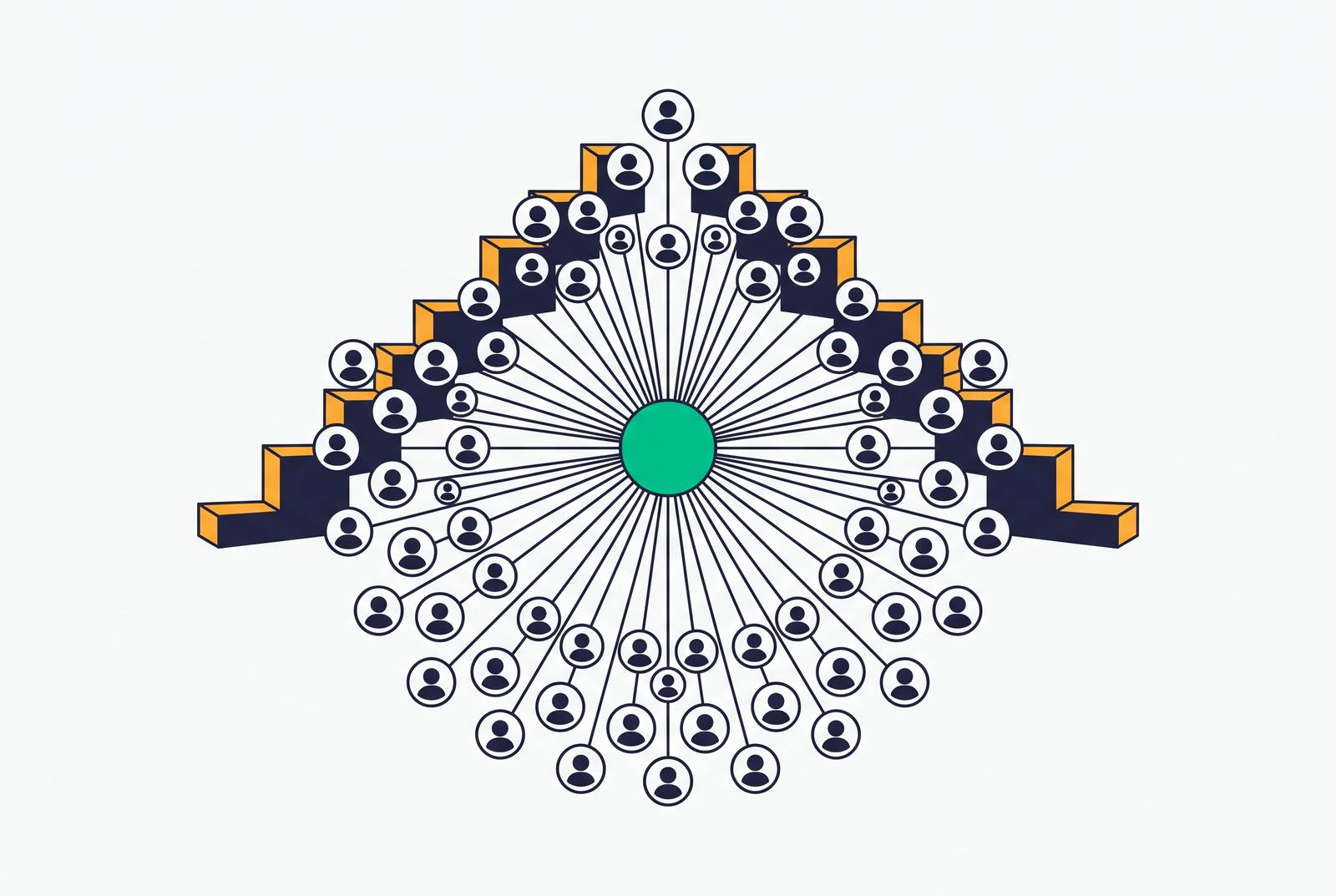
"AI-powered adoption platform" has become a label broad enough to cover five different kinds of software. B2B SaaS growth and product teams shopping in 2026 are running into a real problem: every vendor in this category says "AI," but the systems underneath produce completely different output, because the label hides whether a tool actually combines account state with behavioral history or just describes what already happened. The category now spans in-product guidance tools, conversational onboarding agents, CS health-scoring platforms, lifecycle messaging tools, and behavior-grounded adoption agents, and a team that buys the wrong one will still have an adoption gap after rollout, just displayed on a nicer chart.
Why "AI-powered adoption" means different things to different platforms
The phrase does real marketing work because it sounds specific while describing almost nothing. A tooltip engine that uses AI to write checklist copy and a system that independently investigates each user's account and writes them a personal message both call themselves AI-powered adoption platforms. Neither tells a buyer what the software actually does when a real user stalls out halfway through setting up a feature.
That ambiguity has a cost. Teams that evaluate these tools on feature lists, AI marketing, or integration count end up comparing apples to a loosely related category of fruit. The architectural choice of what a platform is built to produce, not how many AI claims appear on its pricing page, is the issue the rest of this piece works through.
The descriptive-versus-prescriptive axis that separates these tools
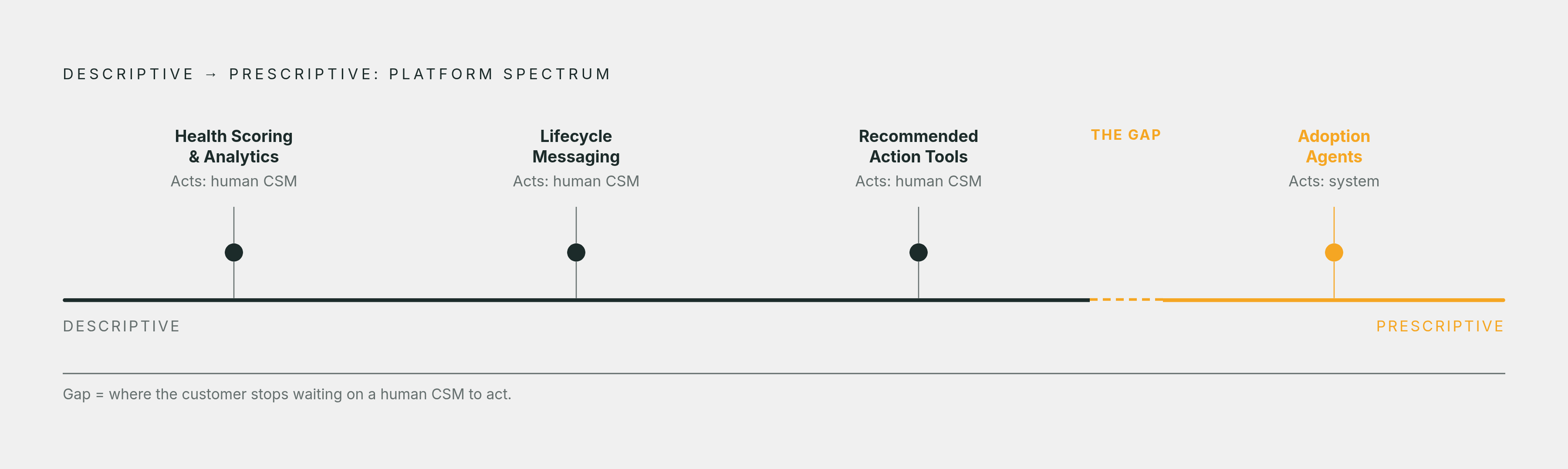
The distinction that actually matters here is simple to state: does the platform tell your team what users did, or does it tell your users what to do next?
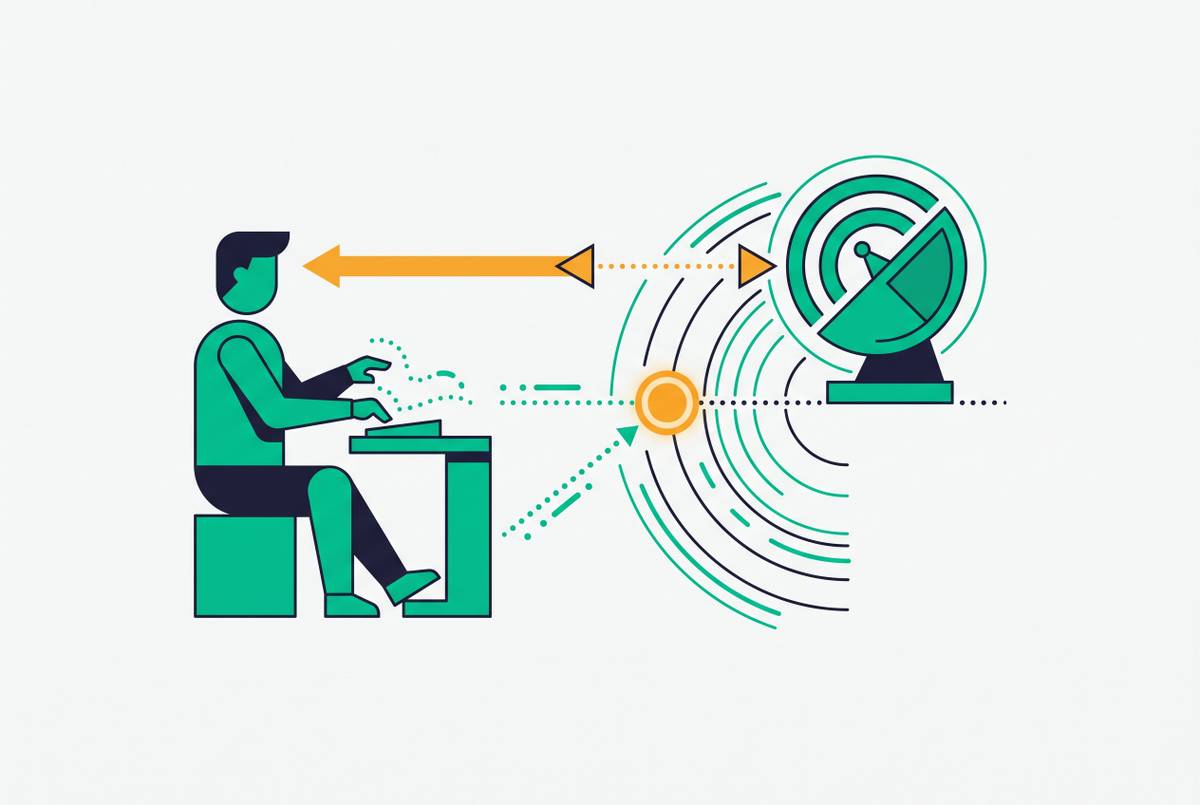
Descriptive platforms, health-scoring dashboards, analytics layers, lifecycle reporting tools, surface signals for a human to read and interpret. The platform has done its job the moment the signal reaches a human. What happens next, the message, the call, the campaign, stays entirely on the team's side of the table.
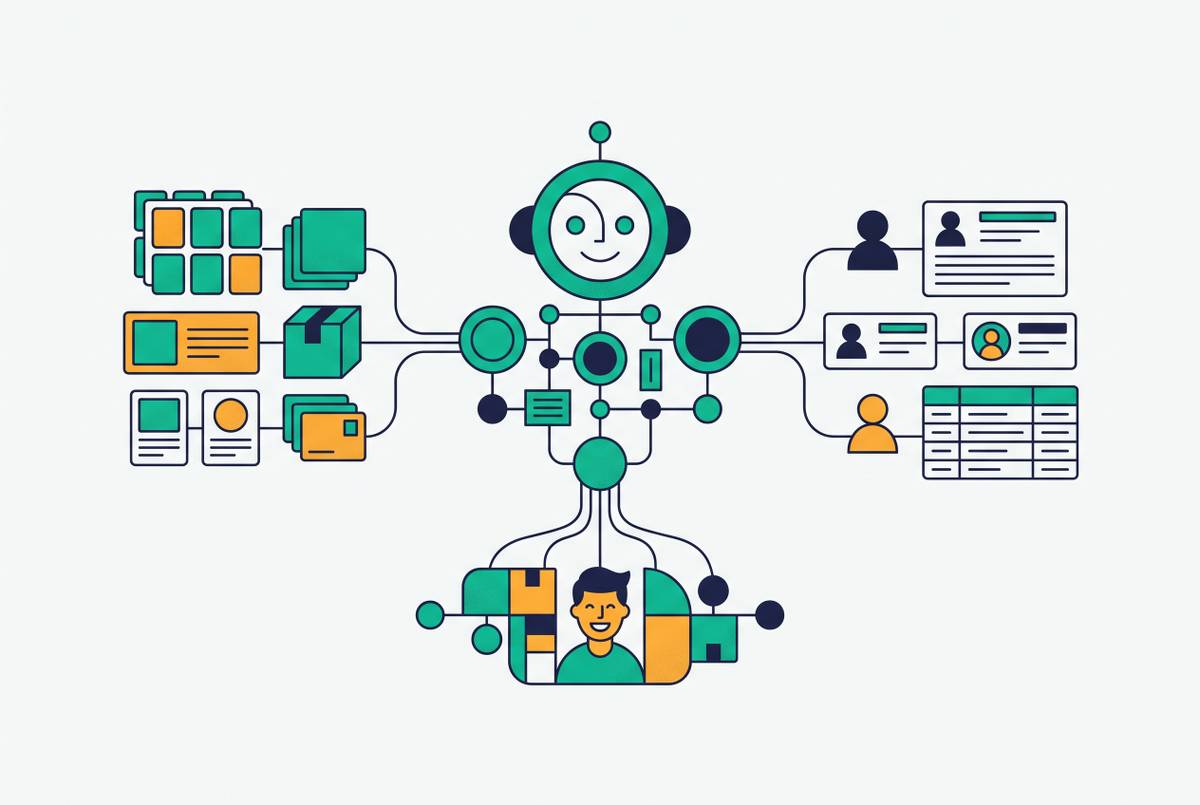
Prescriptive platforms close that loop. They read a user's current product state and their behavior over time, form a judgment about what that specific person needs, and deliver a grounded next action, without requiring a human to approve every single message. Userlens operates at this end of the spectrum: it reads each customer's data independently and writes personal adoption guidance grounded in their actual usage and database state, rather than surfacing a signal and waiting for someone on the team to act on it.
A third class sits between the two. Some tools generate recommended actions for a CSM to execute: send this email, flag this account, schedule this call. That's prescriptive for the team, since it tells an employee what to do. It remains descriptive for the customer, who still waits on a human to act on the recommendation before anything reaches them. Where a platform sits on this axis, more than its feature count or its channel list, determines what kind of adoption problem it can actually solve.
What makes feature adoption hard to solve with a dashboard
Feature adoption is a timing and relevance problem. Dashboards are a reporting tool. Those are different jobs, and a reporting tool doesn't become a timing tool just because it adds a machine learning model to its backend.
Low adoption has several distinct root causes, and they don't share a treatment. A dashboard that reports "adoption is low" collapses all five of these into one number, and a human then has to guess which cause applies to which user before doing anything about it. Adoption agents that combine database snapshots with behavioral data can diagnose which of these blockers applies to each individual person and respond with a next action suited to that specific cause, rather than handing the team one generic low-adoption flag and leaving the diagnosis to guesswork. That's the shift from describing the problem to prescribing a fix for it.
Most adoption dashboards also get the denominator wrong. Adoption rate is usually computed as active users divided by all users, when the honest calculation divides by the subset of users who actually have access to the feature, hold the right role, and have completed whatever setup the feature requires. Mixing those two populations produces a number that looks low for reasons that have nothing to do with product design. A premium analytics feature gated behind a paid tier will show a dismal adoption rate if the denominator includes every free-tier user who was never eligible to see it. A platform that can't separate eligible users from ineligible ones will misdiagnose the problem every time, no matter how sophisticated its charts look.
Metrics to track instead of opens, clicks, and raw adoption rates
The right frame for adoption measurement is repeated successful use among eligible users, tracked at both the person level and the account level, not aggregate opens or clicks. Usage and adoption get treated as synonyms, and they aren't. A user who opens a dashboard once has used it. A user who exports a report, comes back a week later, and exports another has adopted it. Platforms that count the first event and call it adoption are measuring engagement, not the thing a growth team actually cares about.
The single most useful question to ask any vendor is about the denominator behind their adoption number. Does the platform filter down to users who have access, have completed any prerequisites, and sit in the correct role, before it calculates a rate? If it can't answer that, the number it reports is decoration.
Account-level tracking matters as much as user-level tracking in B2B products, because value in a team product rarely lives with one person. A platform that can only tell you whether an individual logged in misses account-level activation that happened through a different seat. A platform that can't report account activation separately from individual activation will undercount adoption across any workflow that touches more than one person, which in B2B SaaS is most of them.
Cohort comparison beats a raw adoption figure every time, because it ties the metric to something a business actually cares about: do users who adopted a feature retain at a meaningfully higher rate than users in the same eligible pool who didn't? A vendor's platform should track repeated successful product behavior among eligible users at both the person and account level. That standard is what separates tools that measure engagement from tools that measure adoption, and it's the standard adoption agents like Userlens use to show whether behavior in the product actually changed, not just whether a message got opened.
Conversational onboarding and the new meaning of "first value" for top SaaS companies
The companies furthest along on adoption have stopped treating onboarding as a form to fill out and started treating it as a conversation to have. Instead of a static intake flow, AI asks a specific user what they're trying to accomplish and routes them toward it directly, cutting the distance between signup and the first moment the product actually proves itself.
GetPerspective's 2026 analysis of the top 250 B2B SaaS companies by ARR found that most of them had moved some or all of their activation form to a conversational surface during the first half of 2026.
This shift happened because the economics of intake changed. A form front-loads effort before a user has received any value at all: fill in fifteen fields, answer questions about a use case you haven't tried yet, then maybe get to the product. A conversation interleaves discovery with value, asking one relevant question at a time and acting on the answer immediately. The economics changed because AI made individualized intake cheap. AI made conversational onboarding viable across an entire signup funnel instead of only a hand-picked set of enterprise accounts.
The architecture question that determines whether a platform can be prescriptive at all
Being prescriptive is a technical requirement, not a marketing choice. A platform can only generate a grounded next action if it holds two things at the same time: who a user is right now, their plan, role, configuration, and permissions, and what that user has done over time, their behavioral history in the product.
Current state answers the eligibility questions. Skip this input and a trigger fires at people who were never eligible in the first place, which produces noise the user ignores and eventually distrusts.
Behavioral history answers the timing questions. Without this input, a platform can't tell a brand-new user from one who's quietly churning, and it will send the same message to both.
Data quality is what actually limits this in practice. Keeping those things current is what separates guidance a user trusts from guidance they learn to tune out. Show how the platform combines a user's current account state with their behavioral history before it generates a recommendation. If the answer is "it reads from analytics," the state half is missing. If the answer is "it reads from the CRM," the behavioral half is probably stale.
How major platform types handle this architecture requirement
Each category in this market has made a different trade-off on that architecture question, and the trade-off is what determines which adoption problems it can solve.
In-product guidance tools, tooltips, checklists, product tour layers, are strong on awareness and usability. They're the right tool for a user who doesn't know a feature exists or can't figure out how to use it. Gleap is one example that pairs in-product guidance with Kai Support's ability to surface a relevant tour when a user asks a matching question inside the widget, connecting an intent signal to a guidance action in the moment it's asked.
CS health-scoring and analytics platforms are descriptive by design, and that's not a weakness so much as a scope decision. They surface risk signals for a human CSM to interpret and act on, which suits a CS organization managing a defined book of named accounts. They're a poor fit for a PLG or growth team trying to activate a large, self-serve user population, since that volume of users makes human-in-the-loop action impossible to sustain.
Lifecycle messaging platforms are strong on delivery and segmentation, reaching the right audience through the right channel. Most run on time-based or event-triggered rules rather than a combined read of state and behavior, and personalization in these systems is usually a merge field, a first name dropped into a template, rather than something grounded in a user's actual current situation in the product.
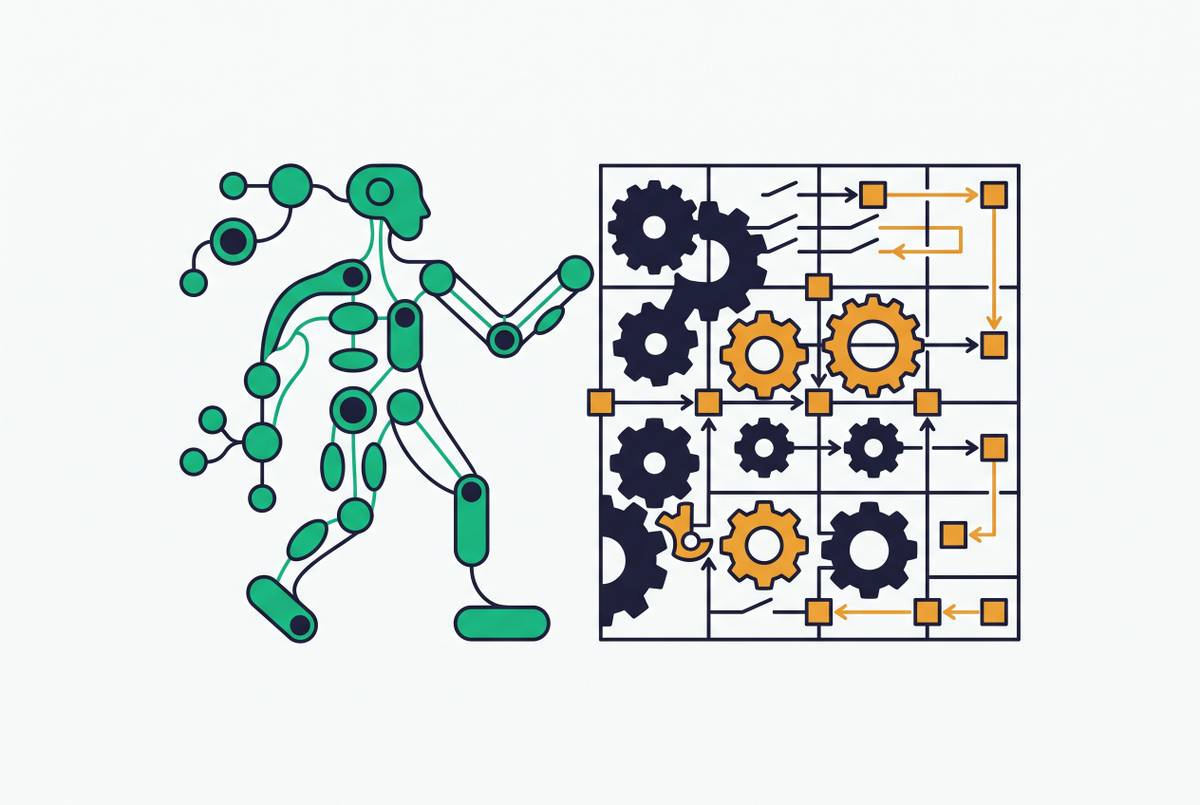
Behavior-grounded adoption agents are the category built to close the loop entirely: they read a person's current database state and their behavioral history together, form an independent judgment about whether a message is warranted, write and send a grounded next action when the evidence supports it, and skip when it doesn't. Userlens's Lumi is built on this model. A campaign sets the goal, the audience, the guidance, and the limits once. Within that approved campaign, Lumi investigates each eligible person on its own, writes a grounded personal message when the evidence justifies one, skips the person when the evidence is weak, and then checks product behavior metrics to find out whether adoption actually moved.
What individual platform and tool options cover in practice
Two tools surface directly in the source material behind this piece, and they sit in genuinely different parts of the design space, built for different teams solving different problems.
Userlens, through its adoption agent Lumi, is built for B2B SaaS growth and product teams. It requires no new tracking plan to set up. It's suited to B2B SaaS PLG and growth teams trying to scale the kind of individualized attention a founder gives early customers, without adding customer success headcount to do it.
Fini's 2026 guide covers a different part of the market: AI platforms oriented toward customer success and renewal workflows. The tools it covers are positioned for CS organizations managing named accounts, not for growth or PLG teams trying to activate large user populations at the individual level. That's a legitimate and distinct use case, just not the same one Lumi is built to serve.
Five questions to ask any adoption platform vendor before buying
The argument this piece has built down to a set of five concrete questions, and each one tests a different part of the descriptive-versus-prescriptive divide covered above.
The second question asks how the platform combines current account state with behavioral history, and it deserves a live demo rather than a slide: which data sources feed the recommendation, how recently each one updates, and what the system does when they disagree. A platform reading only from analytics is missing state. One reading only from a CRM may be working off behavior that's gone stale.
The third question asks what the platform does when the evidence is weak. A genuinely prescriptive system has a skip logic and can explain why it chose not to message a specific user, not only why it chose to. If the honest answer is "it sends to everyone in the audience you define," there's no judgment step in the system at all, just a mail merge with better branding.
The fifth question asks what a human controls and what the platform decides on its own. The healthiest answer for most teams has a human setting the goal, the audience, the guidance, and the limits once, with the platform handling individual judgment inside those guardrails. A tool that gives a human no control is a different kind of risk.
The line between descriptive and prescriptive is a decision made in the architecture, in whether a system was built from day one to hold state and behavior together and act on that combination. These five questions are how a team finds out, before signing anything, which side of that line a given vendor actually sits on.